PMP Exam 2026 Changes and What Trainers Need to Update
The 2026 PMP® exam update introduces a stronger focus on real-world delivery, business value, AI, sustainability, and adaptive ways of working. This page summarizes the key changes trainers should understand and reflect in their materials.
Exam Direction
The PMP® exam is moving toward practical decision-making, business value, and real-world project delivery across predictive, agile, and hybrid environments.
New Focus Areas
The 2026 update brings stronger attention to AI, sustainability, stakeholder engagement, and value-driven outcomes in project management scenarios.
Trainer Impact
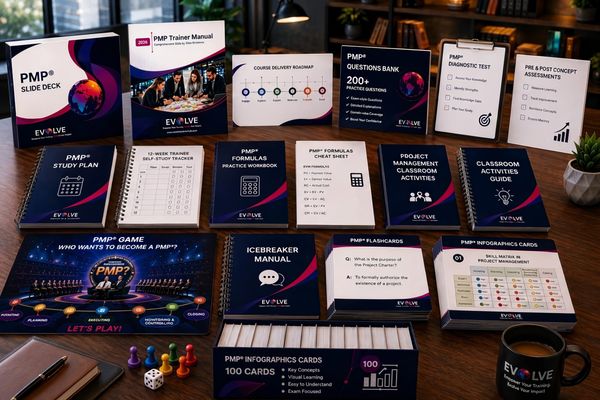
Trainers need to update slides, questions, activities, and examples to reflect the new exam focus and prepare learners for more scenario-based questions.

The PMP® Exam Is Moving Toward Real-World Project Delivery
The 2026 PMP® exam update reflects how project management is practiced today, not only how it is described in traditional plans and processes.
The exam is expected to place stronger emphasis on decision-making, outcomes, adaptability, and value delivery.
For trainers, this means that PMP preparation should move beyond memorizing definitions and focus more on realistic scenarios, judgment, and applying project management principles in complex environments.
New Focus Areas: AI, Sustainability, and Stakeholder Engagement
One of the most important changes is the addition of modern project topics such as artificial intelligence, sustainability, and stronger stakeholder engagement.
These areas reflect the growing role of technology, responsible delivery, and business impact in projects.
Trainers should update examples, activities, discussions, and case studies to help learners understand how these topics affect project decisions and project success.
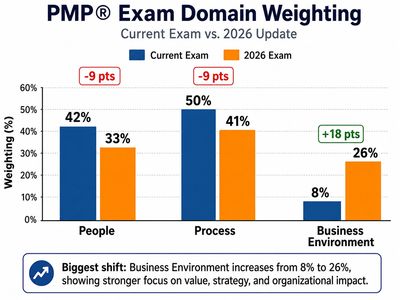
Domain Weighting Has Changed Significantly
The updated exam changes the balance between the three PMP® domains. The Business Environment domain becomes much more important, while People and Process are reduced in percentage.
This means training programs should give more time to strategic alignment, value, business outcomes, and organizational impact.
Exam Questions
The exam will continue to include 180 questions and 240 minutes, with more interactive and scenario-based questions that reflect real project environments.
A Stronger Focus on Outcomes and Value
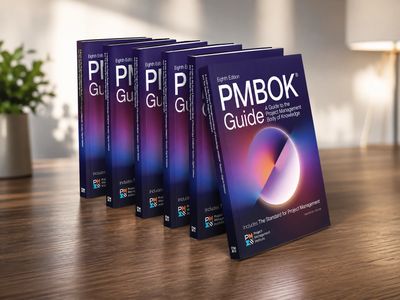
PMBOK® Guide – Eighth Edition emphasizes delivering value, not only completing outputs. Project success is now more connected to outcomes, stakeholder satisfaction, benefits, quality, sustainability, and alignment with organizational goals.
The Eighth Edition also introduces Project Management Focus Areas, a flexible structure similar to the traditional project flow. These areas can be applied across predictive, agile, and hybrid environments.
The five Focus Areas are Initiating, Planning, Executing, Monitoring and Controlling, and Closing. Together, they help project managers organize work, guide decisions, manage change, and confirm that the project delivers real value.
Predictive, Agile, and Hybrid Approaches Remain Important
The 2026 exam continues to cover predictive, agile, and hybrid project environments. However, the focus is expected to be more practical: when to use each approach, how to adapt, and how to respond to real project dynamics.
Trainers should avoid teaching methods as separate theory only; instead, they should compare how the same project challenge may be handled differently in predictive, agile, and hybrid settings.
Eligibility and Training Requirements
PMI indicates that PMP® eligibility remains aligned around 3–5 years of project experience, with the eligibility period extended to 10 years.
PMI also announced upcoming changes to PMP® live training requirements in late Q4 2026. For live PMP® training hours, candidates will need to complete training through a PMI Authorized Training Partner, China REP, or eligible accredited academic program. Self-paced courses remain available from different organizations.

Seven Project Management Performance Domains
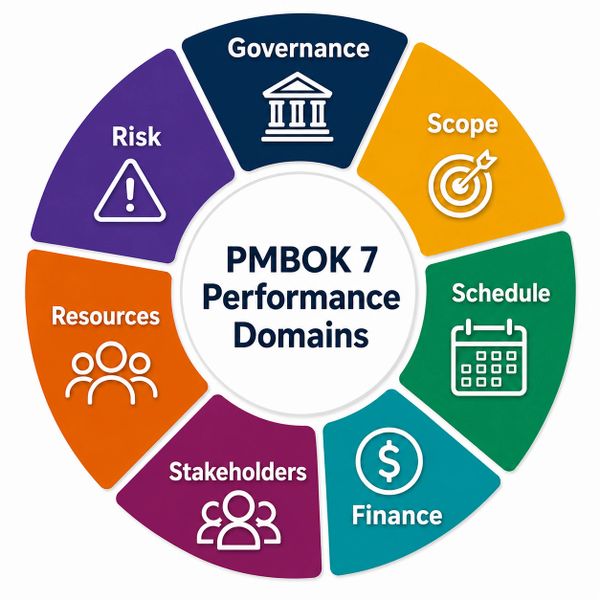
PMBOK® Guide – Eighth Edition organizes key project responsibilities into seven Project Management Performance Domains. These domains group related activities and practices that help teams deliver value in a more integrated and practical way.
The seven domains are Governance, Scope, Schedule, Finance, Stakeholders, Resources, and Risk.
Governance focuses on oversight, decision-making, compliance, and alignment with organizational policies.
Scope defines and manages project boundaries, including requirements, deliverables, and quality expectations.
Schedule supports timelines, sequencing, activity coordination, and progress tracking.
Finance covers budgeting, cost performance, financial control, and investment-related decisions.
Stakeholders focuses on engagement, collaboration, shared understanding, and value creation.
Resources includes the planning and management of people, materials, tools, and facilities needed for project work.
Risk addresses uncertainty, threats, and opportunities through proactive planning and continuous management.
The Six Project Management Principles
The PMBOK® Guide – Eighth Edition introduces a more streamlined set of six project management principles. These principles were refined from the twelve principles in the Seventh Edition to reduce overlap and provide a clearer foundation for decision-making across predictive, adaptive, and hybrid project environments.
Adopt a Holistic View
Project managers are expected to understand how project decisions affect the wider organizational environment. This principle encourages systems thinking and helps teams connect project work with business needs, stakeholder expectations, and long-term impact.
Focus on Value
The updated principles place stronger emphasis on outcomes that matter. Project success is not only about completing tasks or deliverables, but also about creating meaningful value for customers, stakeholders, and the organization.
Embed Quality
Quality should not be treated as a final inspection activity. It should be built into project processes, decisions, and deliverables from the beginning, helping teams produce reliable results and reduce unnecessary rework.
Be an Accountable Leader
This principle combines leadership, responsibility, and ethical decision-making. Project managers are expected to guide teams, support responsible governance, and make decisions that protect project integrity and stakeholder trust.
Integrate Sustainability
Sustainability is now more clearly connected to project management decisions. Projects should consider environmental, economic, and social impacts, especially when making decisions that affect long-term organizational and community outcomes.
Build an Empowered Culture
Successful projects depend on strong teams. This principle highlights collaboration, trust, psychological safety, and empowerment, helping teams perform better and respond more effectively to challenges.